
Handyman
How to Prepare a Home Repair List Before Calling a Handyman
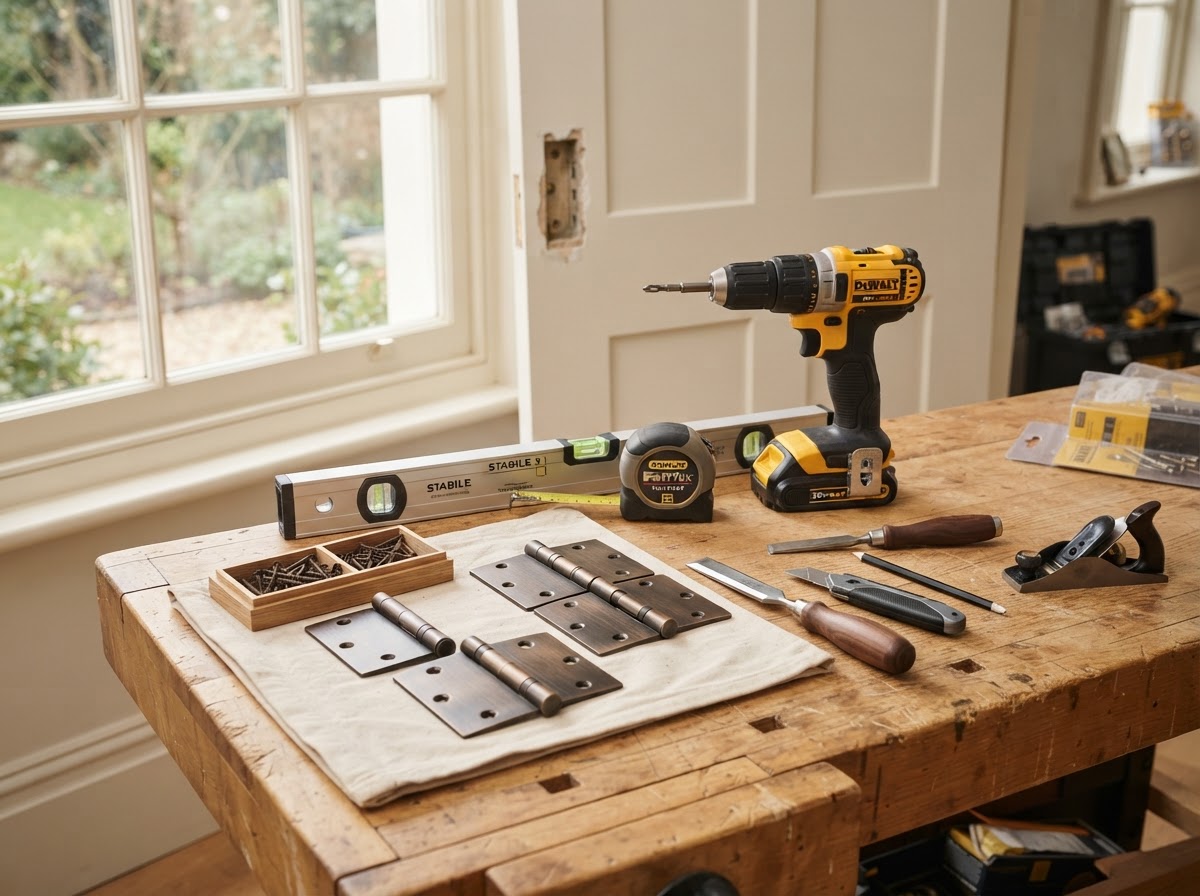
The single most useful thing you can do before calling a handyman is walk through your home with a notepad. A clear, specific repair list helps the pro scope the work, group jobs into one efficient visit, and give you a more accurate quote. Here's how to build one.
Start with a full walk-through. Go room by room — including hallways, the garage, and exterior entries — and write down anything that's broken, loose, sticking, cracked, or just bothering you. Don't filter yet; capture everything. The small things you've stopped noticing (a loose towel bar, a door that rubs) are exactly the items a handyman can knock out quickly.
Be specific about each item. 'Fix door' is less useful than 'bedroom door sticks at the top and won't latch.' Note the room, the item, and what's wrong. If a repair is intermittent — a door only sticks in humid weather, a light only flickers sometimes — say so. Specifics help the handyman bring the right tools and parts and avoid a second trip.
Add photos where you can. A photo of a damaged trim corner, a cracked caulk line, or a sagging shelf shows the condition far better than a description. Most handymen welcome a few photos upfront, especially for repairs you can't easily describe. They also help confirm scope before a site visit.
Group by type and location. Once you have the raw list, group items — all the drywall patches, all the hardware swaps, all the door adjustments. Grouping helps you see how many of one kind of repair you have and helps the handyman plan tool and part needs. It also makes it obvious when several small jobs can share a single visit.
Note urgency and timing. Mark which items are urgent (a leak, a safety issue, a lock that won't secure) versus which are 'when you have time.' Share your preferred timing too. This helps the handyman prioritize and schedule, and it tells you whether a single visit can handle the whole list or whether some items should wait.
Separate handyman work from licensed-trade work. As you review the list, flag anything that clearly needs a licensed plumber, electrician, or structural work. A handyman handles drywall, trim, hardware, doors, shelving, caulking, and assembly; moving supply lines, rewiring a panel, or altering load-bearing walls generally need a licensed trade. Flagging these upfront keeps the handyman visit focused on what it can actually cover.
Keep the list in one place. A shared note on your phone works well — you can add to it as you notice things and hand it over as text or a photo when you reach out. A running list is far more useful than trying to remember everything in one call, and it lets the handyman review the whole scope before responding.
When you're ready, share the list, your location, and a few photos, and ask for a scope review. A good handyman will read through it, confirm what they can handle, flag anything that needs a trade, and line up a visit to clear the whole list at once. That's the real value of preparing the list: one team, one visit, the whole to-do list handled.
Frequently asked questions
How detailed should each item be?+
Specific enough that the handyman knows what to expect: the room, the item, and what's wrong. 'Hallway doorknob dent in drywall, about the size of a fist' is ideal. Photos help fill in the rest.
Should I include small cosmetic things?+
Yes. Cosmetic items — a scratched trim piece, dated hardware, a loose switch plate — are quick handyman work and often cost little extra when grouped with repairs. Include them; you can always deprioritize later.
Related services
Need a hand around the house?
Request handyman service from Garbo Handyman Services in Tulsa, Oklahoma.